Friday, October 23, 2026
← Back to archivePolicy
Policy•Fierce Biotech•Oct 23, 2026

Treasury sweeps biotech into proposed COINS Act restrictions, but spares Big Pharma’s China licensing deals
background ▾
- •Pharmaceutical compounds across all modalities (small molecules, biologics, gene therapies, etc.) are classified as prohibited technologies for outbound U.S. investment into China under COINS Act rules, but traditional licensing agreements and milestone/royalty-based deals are explicitly exempted.
- •The rules target equity acquisitions, joint ventures, and convertible debt with Chinese biotech firms, directly restricting U.S. venture capital investment in Chinese biotechs and equity-based partnerships like Pfizer's recent 3SBio deal, while high-profile deals like Bristol Myers Squibb's $15.2B Hengrui licensing agreement remain permissible.
- •Treasury's proposed rule language aligns with earlier Reuters reporting and suggests Washington deliberately crafted the regulation to preserve pharma licensing commerce while restricting capital and control mechanisms, though finalization and enforcement interpretation remain uncertain.
Bristol Myers SquibbHengrui PharmaPfizerPD-1xVEGF bispecific antibody
→ Read original articlePolicy•Fierce Biotech•Oct 22, 2026

Abbott to separate Nutrition business into an independent, publicly traded company
background ▾
- •Abbott is divesting its $8.5B Nutrition business as a tax-free spinoff by end of 2027, reflecting strategic shift toward pure-play medtech and diagnostics
- •The Nutrition unit faces substantial unresolved litigation: $70M jury verdict in 2026 plus $670M settlement agreement related to premature infant formula NEC claims
- •Monitor post-separation liability allocation, regulatory oversight of separated Nutrition company's formula business, and investor appetite for standalone nutrition-focused entity with pending litigation
AbbottSimilacPediaSurePedialyte
→ Read original articlePolicy•Endpoints News•Oct 22, 2026

A hepatitis B hold lifted and drug tabled; Ultomiris' accelerated approval
background ▾
- •Arbutus's hepatitis B program cleared an FDA clinical hold, removing a major regulatory barrier after prolonged stalled development
- •Ultomiris accelerated approval signals faster regulatory pathway for complement inhibition strategy in a new indication
- •Biohaven pipeline advancement and Boehringer/Microsoft digital health partnership indicate broader sector momentum in rare disease and technology integration
Arbutus BiopharmaBiohavenArcus BiosciencesUltomirispegcetacoplan
→ Read original articlePolicy•STAT News•Oct 23, 2026

Opinion: New Medicare policies will keep important pain relief from some patients
background ▾
- •Five MACs covering 37 states are restricting coverage for peripheral nerve block procedures for chronic pain, specifically excluding pudendal nerve and ganglion impar interventions used for severe pelvic pain, effective late October 2025.
- •Pain physicians argue that population-level evidence standards inadequately measure individual patient benefit in subjective conditions and that restricted access will drive patients back toward opioids and invasive surgical alternatives.
- •Monitor whether this MAC policy triggers broader CMS policy review, Congressional pushback from pain advocacy groups, or similar restrictions from other regional MACs that could fragment Medicare coverage nationwide.
Policy•STAT News•Oct 23, 2026

Opinion: Overdose deaths have plunged. We need to know why
background ▾
- •Opioid overdose deaths fell ~50% from 2022–2025, yet the root cause remains unclear because standard interventions (naloxone, treatment access) do not align temporally or quantitatively with the decline.
- •A supply-side shock in illicit fentanyl—possibly driven by Chinese precursor controls, cartel violence, or drug adulteration with xylazine—is the most plausible explanation, but uncertainty about causation creates major policy ambiguity for future interventions.
- •Better epidemiological surveillance and causal analysis of illicit drug supply dynamics are urgently needed to inform whether trade policy, enforcement actions, or other mechanisms should drive future public health strategy around opioid mortality.
naloxonefentanylxylazine
→ Read original articleMarket Access
Market Access•Fierce Biotech•Oct 22, 2026

Menarini's Stemline picks up Georgiamune preclinical cancer immunotherapy in $1.1B deal
background ▾
- •Menarini/Stemline acquires exclusive worldwide rights to preclinical first-in-class oral immunotherapy GIM-621 with potential across multiple solid tumors for $1.1B ($45M upfront)
- •Georgiamune retains three first-in-class clinical-stage programs (GIM-122, GIM-531, GIM-407) across oncology and autoimmune disease after raising $93M Series B
- •Watch for GIM-621 IND filing and initial clinical trial design; assess Stemline's ability to advance preclinical asset in competitive oncology immunotherapy landscape
Menarini GroupStemline TherapeuticsGeorgiamuneGIM-621GIM-122GIM-531
→ Read original articleMarket Access•Fierce Biotech•Oct 22, 2026

Celltrion picks up another Kaigene autoimmune antibody for up to $580.5M
background ▾
- •Celltrion has now committed over $1.3 billion across two Kaigene licensing deals within 12 months, signaling aggressive pursuit of novel antibody programs to complement its biosimilar foundation.
- •KG013 targets a validated pathway in autoimmune disease with initial focus on IgA nephropathy, a high-prevalence indication in Asia where Celltrion has geographic and manufacturing advantages.
- •Monitor clinical development timelines for KG013 and competitive landscape in antibody-mediated autoimmune disease; track whether Celltrion's Asian market strategy with this asset drives pricing/reimbursement patterns.
CelltrionKaigeneKG013KG006KG002
→ Read original articleMarket Access•STAT News•Oct 23, 2026

One family’s story of a life-extending medicine for pancreatic cancer
background ▾
- •Daraxonrasib demonstrates clinically meaningful benefit in advanced pancreatic cancer (45% disease reduction, extended survival with improved quality of life), but represents an incremental advance rather than a cure—median benefit appears to be 10+ months before resistance emerges.
- •Patient access to daraxonrasib is severely constrained by logistical, financial, and systemic barriers including travel requirements for trial participation, insurance navigation complexity, and geographic access disparities—even affluent, well-supported patients report being overwhelmed by access logistics.
- •Watch for: payer coverage decisions and reimbursement restrictions for daraxonrasib; real-world access data post-approval; whether decentralized trial models or expanded access programs can overcome the geographic/logistical barriers highlighted in this case; pricing announcements that may further limit accessibility.
daraxonrasib
→ Read original articleMarket Access•Endpoints News•Oct 23, 2026

Gilead strikes $1.3B upfront China deal for oral IL-23 drug
background ▾
- •Gilead's $1.28B upfront payment for China rights to an oral IL-23 drug signals substantial confidence in both the therapeutic target and China market access strategy
- •IL-23 inhibitors represent a competitive and expanding asset class; this deal positions Gilead against other pharma players investing in the inflammation space
- •The transaction structure and magnitude suggest Phase 2+ stage asset, indicating meaningful de-risking relative to earlier-stage licensing
Gilead SciencesPepStar TherapeuticsIL-23 inhibitor (oral, undisclosed INN)
→ Read original articleMarket Access•Endpoints News•Oct 22, 2026

Roche says it will help patients who are 'anxiously awaiting' its new breast cancer drug
background ▾
- •Roche is actively planning pre- or post-approval patient access programs for giredestrant, signaling confidence in regulatory trajectory and commercial readiness
Rochegiredestrant
→ Read original articleClinical Trials
Clinical Trials•Fierce Biotech•Oct 22, 2026

After leak, Merck and Moderna post phase 3 cancer vaccine data early
background ▾
- •Primary endpoint hit with HR 0.58 for RFS is within acceptable range but secondary endpoint DMFS underperformed phase 2 (HR 0.62 vs. 59-65% prior), suggesting either a phase 2 anomaly or genuine efficacy signal degradation that could impact commercial positioning
- •Safety concerns emerged: 95.8% treatment-related adverse events in vaccine combination arm vs. 90% control, contradicting pre-trial expectations that the vaccine would offer a tolerability advantage over standard neoadjuvant therapy
- •Regulatory path and payer reception remain uncertain given mixed efficacy signal and higher-than-expected toxicity; real-world clinical adoption will likely depend on absolute benefit interpretation by oncologists and whether 10% metastasis-free survival improvement justifies increased side effect burden
Merck & Co.Modernaintismeran autogeneKeytruda
→ Read original articleClinical Trials•Fierce Biotech•Oct 22, 2026
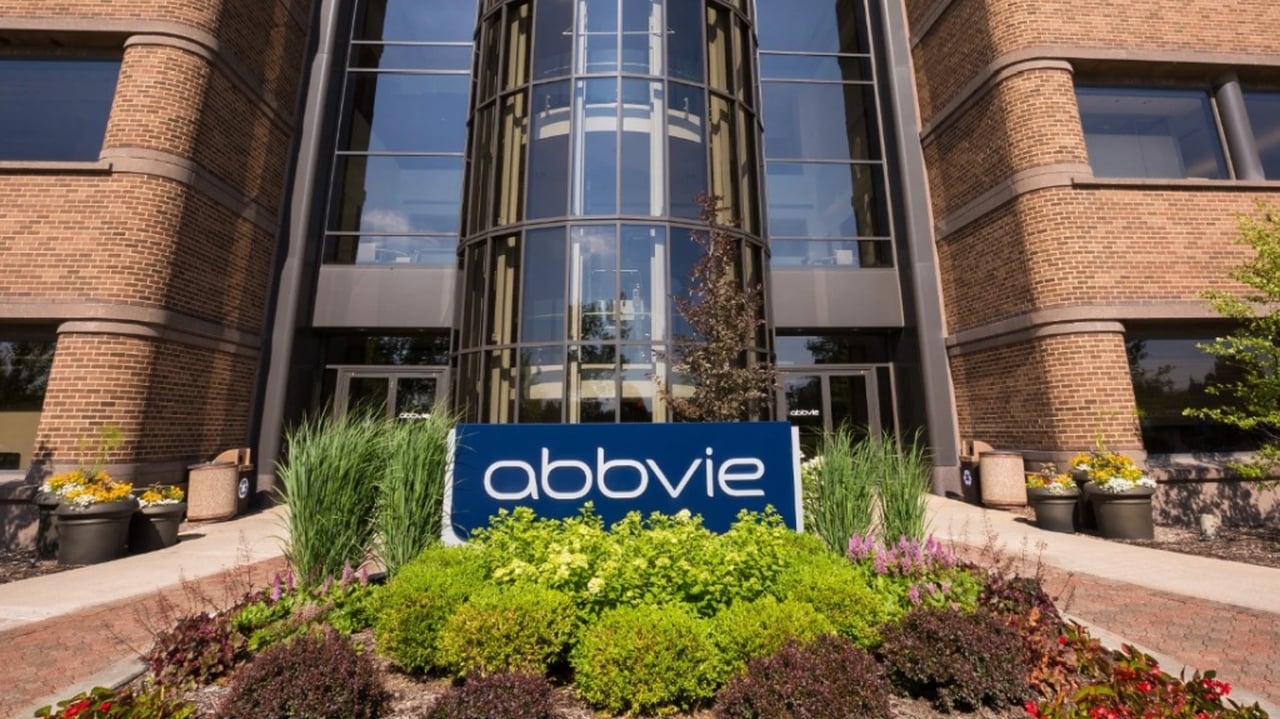
AbbVie scratches out phase 3 hidradenitis suppurativa win but falls short of expectations
background ▾
- •Lutikizumab met primary HiSCR75 endpoint but with only 8-point placebo-adjusted benefit—far below the 25-point threshold analysts set for competitive differentiation and substantially lower than phase 2 results
- •Competitive threat is real: rival agents (Merck's tulisokibart, UCB's Bimzelx) show comparable or superior efficacy, though lutikizumab's clean safety profile and early pain relief may support differentiation
- •Watch for 36-week extension data readout and regulatory filing in H2 2027; combination strategy with ABBV-701 could be key to overcoming efficacy gap
AbbVieAvalo TherapeuticsMerck & Co.lutikizumabtulisokibartBimzelx
→ Read original articleClinical Trials•Fierce Biotech•Oct 22, 2026

Rebranded NodThera plans IPO to fund NLRP3 inhibitor’s push toward approval
background ▾
- •Rezera is shifting ruvonoflast's primary development focus from obesity to peripheral artery disease, with phase 3 initiation planned for 2025 targeting a $5 billion market opportunity
- •Phase 2 data demonstrated statistically significant reduction in hsCRP with ruvonoflast + semaglutide combination, supporting NLRP3 inhibition as an anti-inflammatory strategy in cardiometabolic disease
- •Watch for IPO timing and pricing in coming months, phase 3 enrollment progress in PAD, and potential expansion opportunities for the NLRP3 mechanism in cardiovascular and neuroinflammatory indications
RezeraNovo Nordiskruvonoflasttrabzanoflastsemaglutide
→ Read original articleClinical Trials•Endpoints News•Oct 23, 2026

Alnylam plans bigger study of RNA drug for Huntington’s disease
background ▾
- •Alnylam is advancing its Huntington's disease RNA therapeutic program to a larger clinical study based on positive biomarker findings
- •Huntington's disease represents a high-risk but high-reward indication, with limited approved disease-modifying therapies driving strong commercial potential if efficacy is demonstrated
- •Watch for full biomarker data readout and the design/enrollment target of the expanded Phase II/III study, which will clarify the therapeutic window and market viability
Alnylam PharmaceuticalsAlnylam Huntington's disease RNA therapeutic (investigational)
→ Read original articleClinical Trials•STAT News•Oct 23, 2026

How a targeted drug kept one patient alive 15 years — but failed to save her friends
background ▾
- •Crizotinib has maintained disease control for 15+ years in this ROS1+ lung cancer patient, demonstrating durable benefit of targeted therapy when appropriate molecular diagnosis is achieved
- •Access to biomarker testing and clinical trials remains highly variable; many oncologists lack awareness of ROS1 testing and patients may default to chemotherapy without precision diagnostics
- •Patient advocacy organizations like The ROS1ders are critical for closing knowledge gaps and coordinating research, but systemic barriers to upfront molecular testing persist across healthcare settings
crizotinib
→ Read original article